


Fall Prevention Tips for Seniors: Practical Strategies to Keep Them Safe
Updated: 22 hours ago
Falls are a serious concern for older adults. They can lead to injuries, loss of independence, and even long-term health problems. Preventing falls requires a clear plan and consistent effort. I will share effective fall prevention tips for seniors that hospitals, elder care centers, and home caregivers can use to protect those in their care.
Effective Fall Prevention Tips for Seniors
Preventing falls starts with understanding the risks and making changes to reduce them. Here are some practical steps to take:
Keep the environment safe: Remove clutter, loose rugs, and cords that can cause tripping. Ensure all areas are well-lit, especially hallways and staircases.
Use assistive devices: Canes, walkers, and handrails provide extra support. Make sure these devices fit properly and are in good condition.
Encourage regular exercise: Activities that improve balance, strength, and flexibility reduce fall risk. Tai chi, walking, and gentle stretching are excellent choices.
Review medications: Some drugs cause dizziness or drowsiness. Regularly check with healthcare providers to adjust medications if needed.
Wear proper footwear: Shoes should fit well, have non-slip soles, and provide good support. Avoid slippers or shoes with slick soles.
These tips form the foundation of a safe environment and lifestyle that helps seniors stay steady on their feet. We could also make use of intelligent safety devices to monitor and prevent accidents. Let's have a quick view below.
Rondish Fall Prevention & Safety Sensors

Rondish Product | Purpose & Caregiver Alert | Key Features |
Alerts caregivers immediately when an elder attempts to leave the bed unassisted. | Wireless operation; available in standard on-mattress or discreet under-mattress formats. | |
Triggers a proactive alert before standing by detecting early edge-of-bed movements. | Wireless, self-calibrating under-mattress design that maintains sleeping comfort. | |
Provides contact-free 24/7 fall detection and alerts to inactivity or fainting. | 60GHz mmWave radar ensures 100% privacy without cameras; fully wireless. | |
Notifies caregivers if an elder stays in the toilet/bathroom too long. | Completely wireless monitoring designed for safety in private areas. | |
Triggers an instant alert as soon as the elder steps out of bed or toward a doorway. | Cordless; features a durable, 4-section foldable design for easy storage | |
Motion Sensor (PIR) | Emits an invisible infrared beam along the bedside or doorway to signal movement. | Touch-free, wireless operation for elders who prefer not to use mattress pads. |
Contact us for Free demonstration: sales@rondish.com


Understanding the Role of Home and Facility Safety
Safety in living spaces is crucial. Many falls happen at home or in care facilities due to hazards that are easy to fix. Here’s what to focus on:
Lighting: Use night lights in bedrooms and bathrooms. Replace dim bulbs with brighter ones.
Flooring: Secure carpets and mats with non-slip backing. Avoid slippery surfaces.
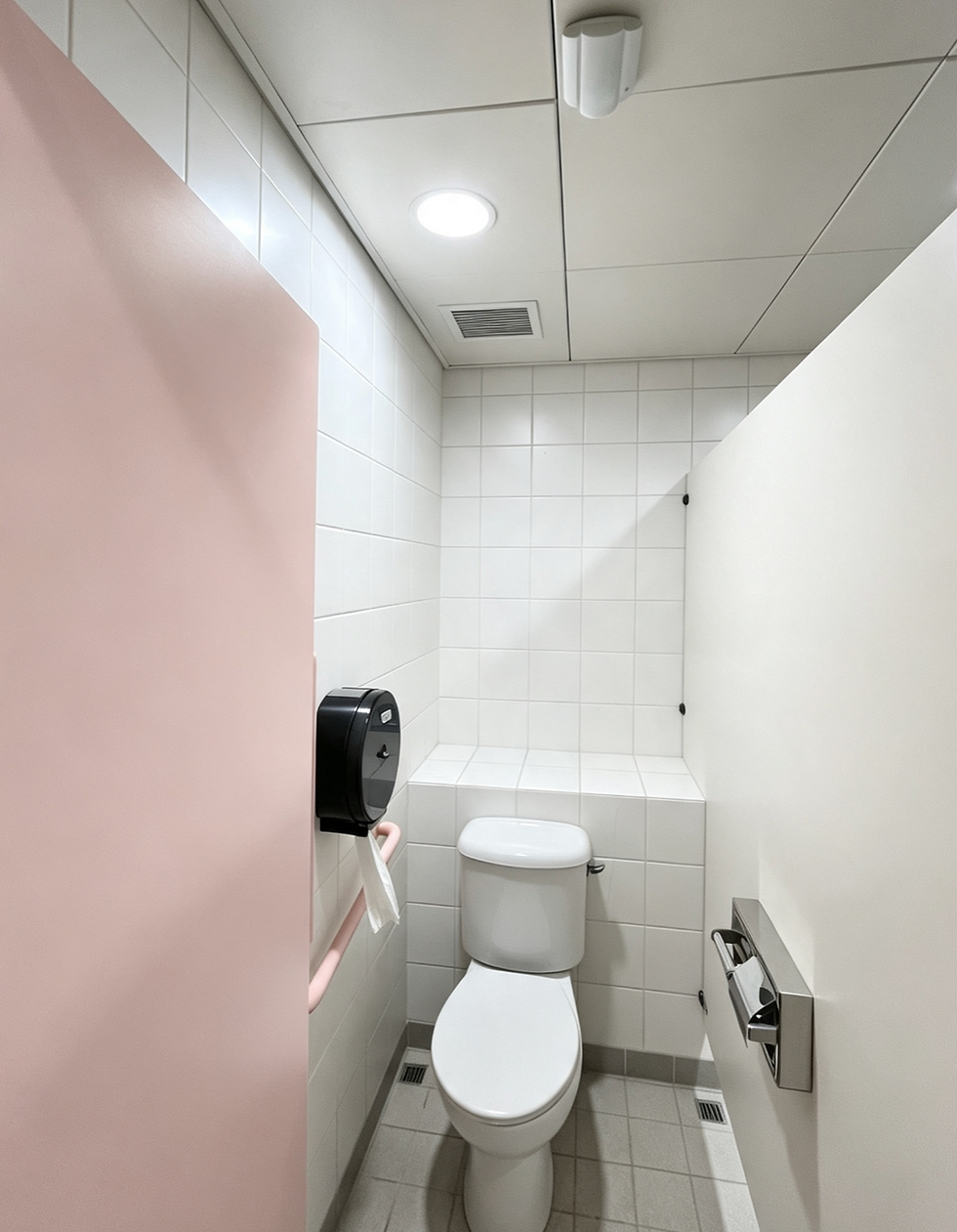
Bathroom safety: Install grab bars near toilets and in showers. Use non-slip mats inside and outside the tub.
Furniture arrangement: Keep pathways clear. Arrange furniture to allow easy movement.
Emergency response: Equip seniors with alert devices or phones within reach in case they fall.
Regular safety checks and adjustments can prevent many accidents before they happen.
What are the 5 P's of Falls Prevention?
The 5 P's provide a simple framework to remember key fall prevention areas:
Pain - Manage pain effectively to avoid mobility issues.
Personal Care - Assist with bathing, dressing, and toileting safely.
Positioning - Ensure proper posture and seating to maintain balance.
Placement - Keep frequently used items within easy reach.
Possessions - Remove obstacles and hazards from living spaces.
Focusing on these five areas helps caregivers create a safer environment and reduce fall risks.
The Importance of Physical Health and Balance
Physical health directly impacts fall risk. Seniors who maintain strength and balance are less likely to fall. Here are some ways to support physical health:
Balance exercises: Simple moves like standing on one foot or heel-to-toe walking improve stability.
Strength training: Use light weights or resistance bands to build muscle.
Flexibility routines: Stretching keeps joints mobile and reduces stiffness.
Vision and hearing checks: Poor eyesight or hearing can increase fall risk. Regular screenings help catch problems early.
Nutrition and hydration: Proper diet and fluid intake support muscle function and alertness.
Encouraging these habits helps seniors stay active and confident in their movements.

How Caregivers Can Support Fall Prevention
Caregivers play a vital role in fall prevention. Their actions and attentiveness can make a big difference:
Monitor changes: Watch for signs of weakness, dizziness, or confusion.
Assist with mobility: Help seniors move safely, especially on stairs or uneven surfaces.
Educate about risks: Explain why certain behaviors or environments are dangerous.
Encourage independence: Support safe self-care to boost confidence.
Communicate with healthcare providers: Share observations and concerns to adjust care plans.
By staying proactive and involved, caregivers help create a safer daily routine.
Contact us for Free demonstration: sales@rondish.com
Comments